What would you change about the outdoor spaces in your community? More room for music and sport? Somewhere to garden together? A place to meet friends that works just as well in November as it does in July?
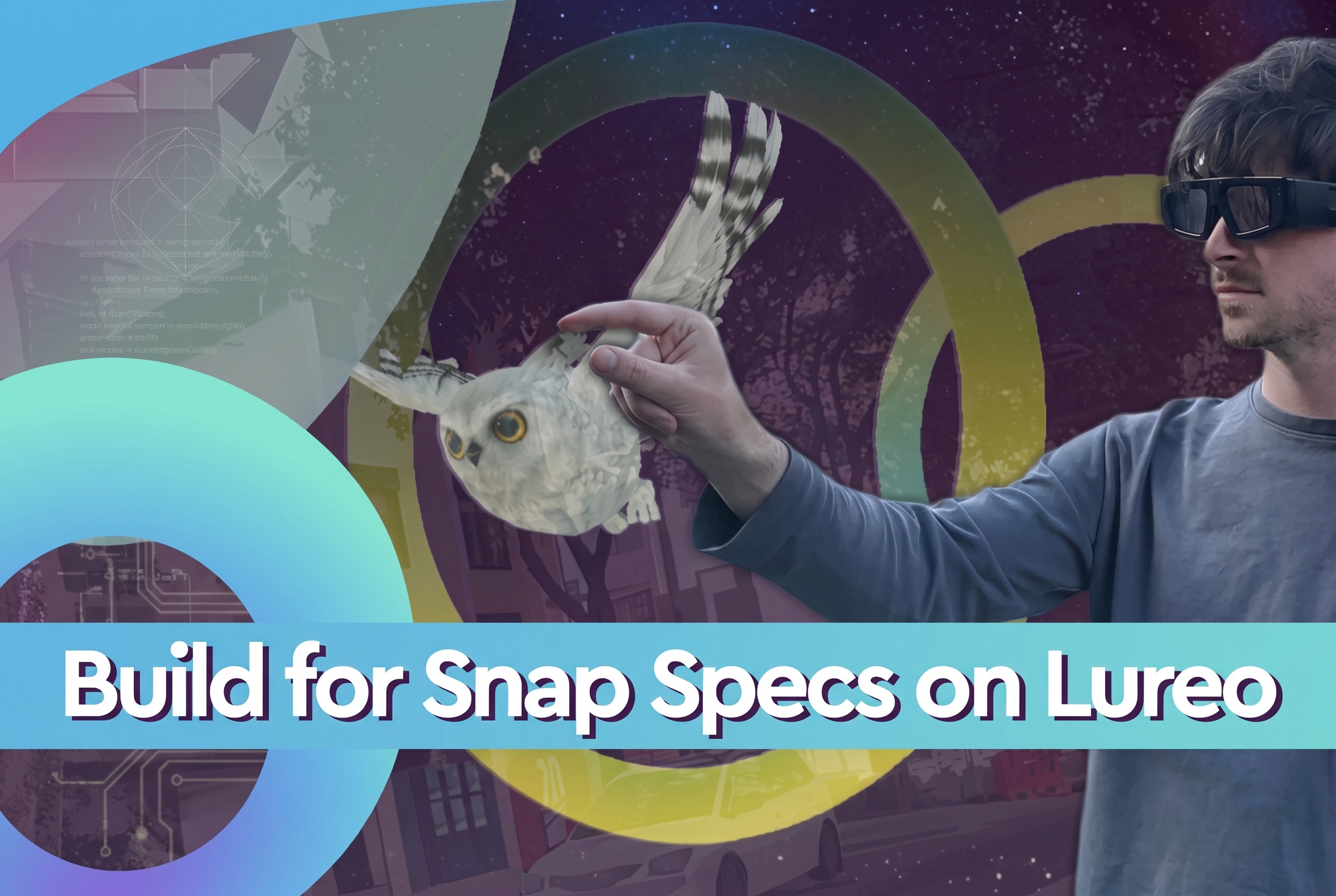
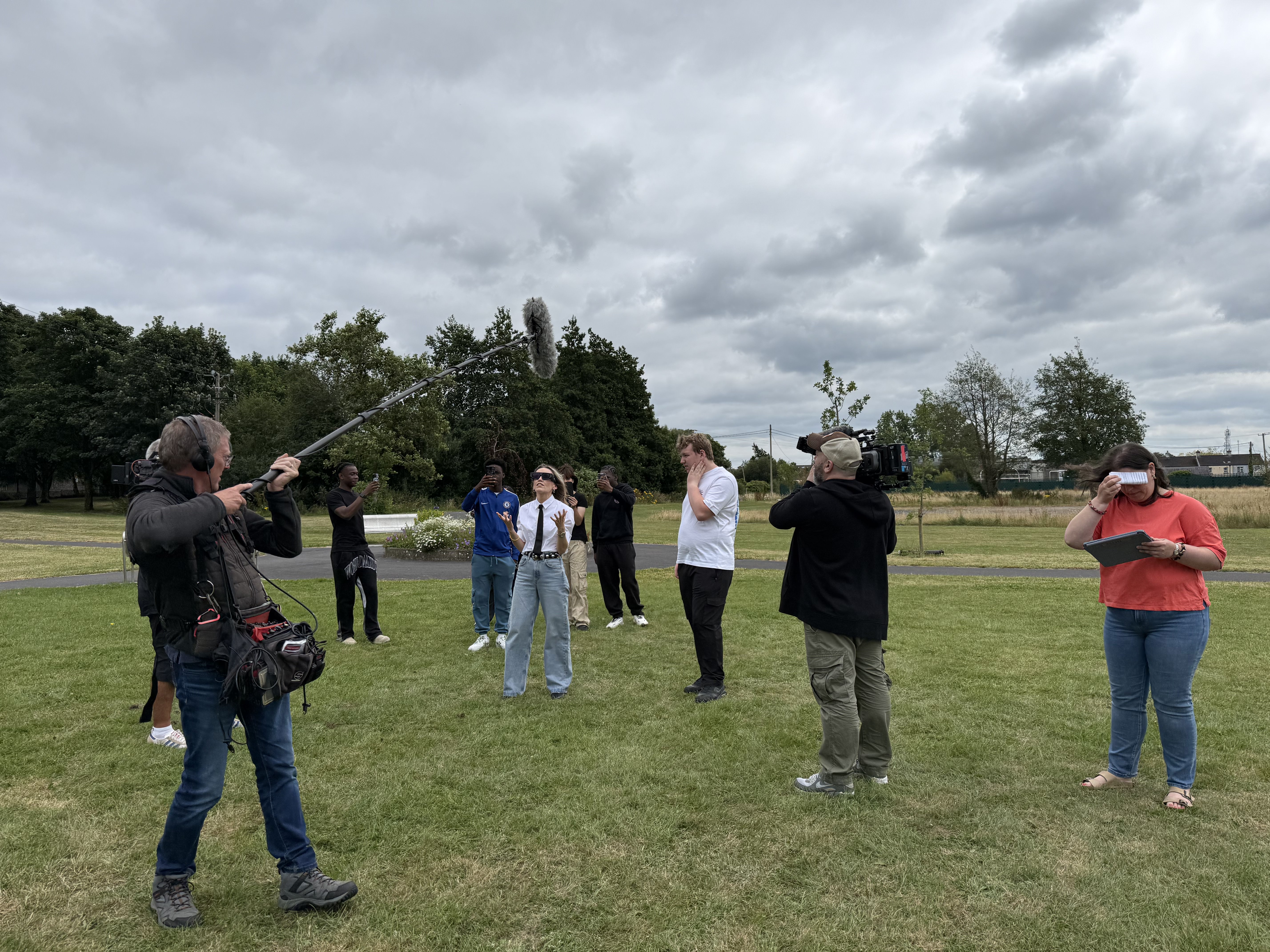
Over the summer, our team headed to Athlone for a day of filming with RTÉ’s Futureville Ireland. Working with local community groups and presenter Carla O’Brien, we used Lureo to help people imagine what a familiar public space could become, then see those ideas take shape in the landscape around them.
Our setting was Wansboro Field, beside the River Shannon. Our starting point was the people who use it.
Two groups, one shared ambition
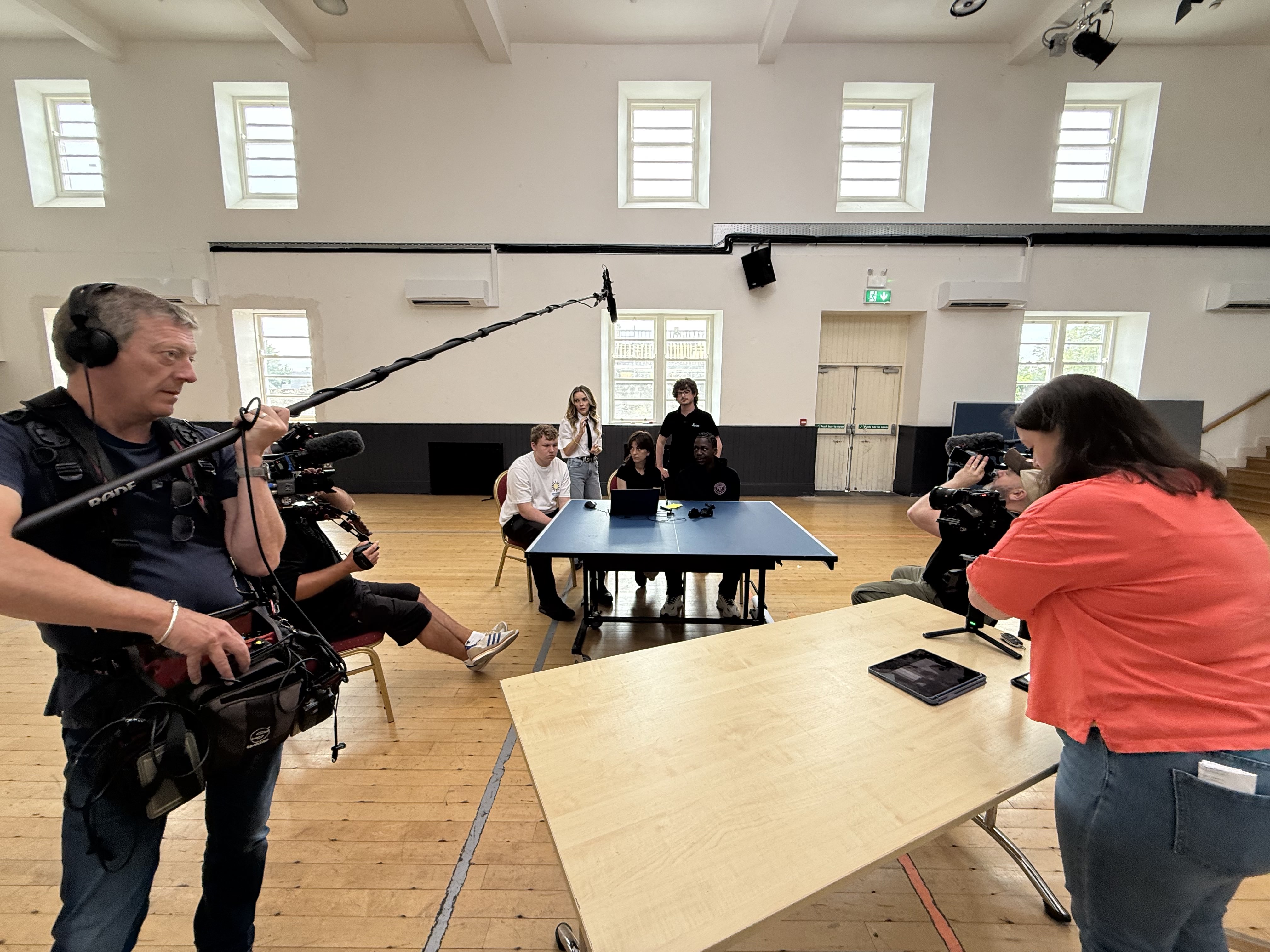
The workshop brought together two groups with different interests and perspectives: a Foróige youth group with a strong interest in music and sport, and a group of local residents interested in gardening.
Carla helped guide the conversation, encouraging participants to think about what they liked about Athlone, what they felt was missing, and what their community might need in the future.
Despite their different starting points, both groups returned to a shared ambition: outdoor spaces where people could gather throughout the year.
That gave the day a clear focus. Music, sport and gardening offered different reasons to come together, but the underlying need was similar. People wanted welcoming spaces that supported spending time with others, beyond the occasional stretch of good weather.
It was a useful reminder that conversations about the future of a town begin with everyday experiences. Before thinking about what a space should look like, it helps to understand what people want to do there.
Giving ourselves permission to think bigger
With a programme called Futureville Ireland, there was plenty of encouragement to be imaginative.
We pushed the scenes towards a futuristic look and gave the groups room to explore ideas without immediately narrowing everything down to what a typical construction budget might allow.
The aim was to open up possibilities. What might a space for music, sport or gardening become if we gave ourselves permission to think a little further ahead?
For this kind of workshop, that freedom matters. An ambitious idea can reveal something useful about what people value, even if the eventual real-world response looks very different. The visual style could be futuristic while the needs behind it remained familiar: connection, shared interests and somewhere comfortable to spend time.
Lureo helped turn those conversations into something everyone could look at together.
From an idea to something you can stand beside
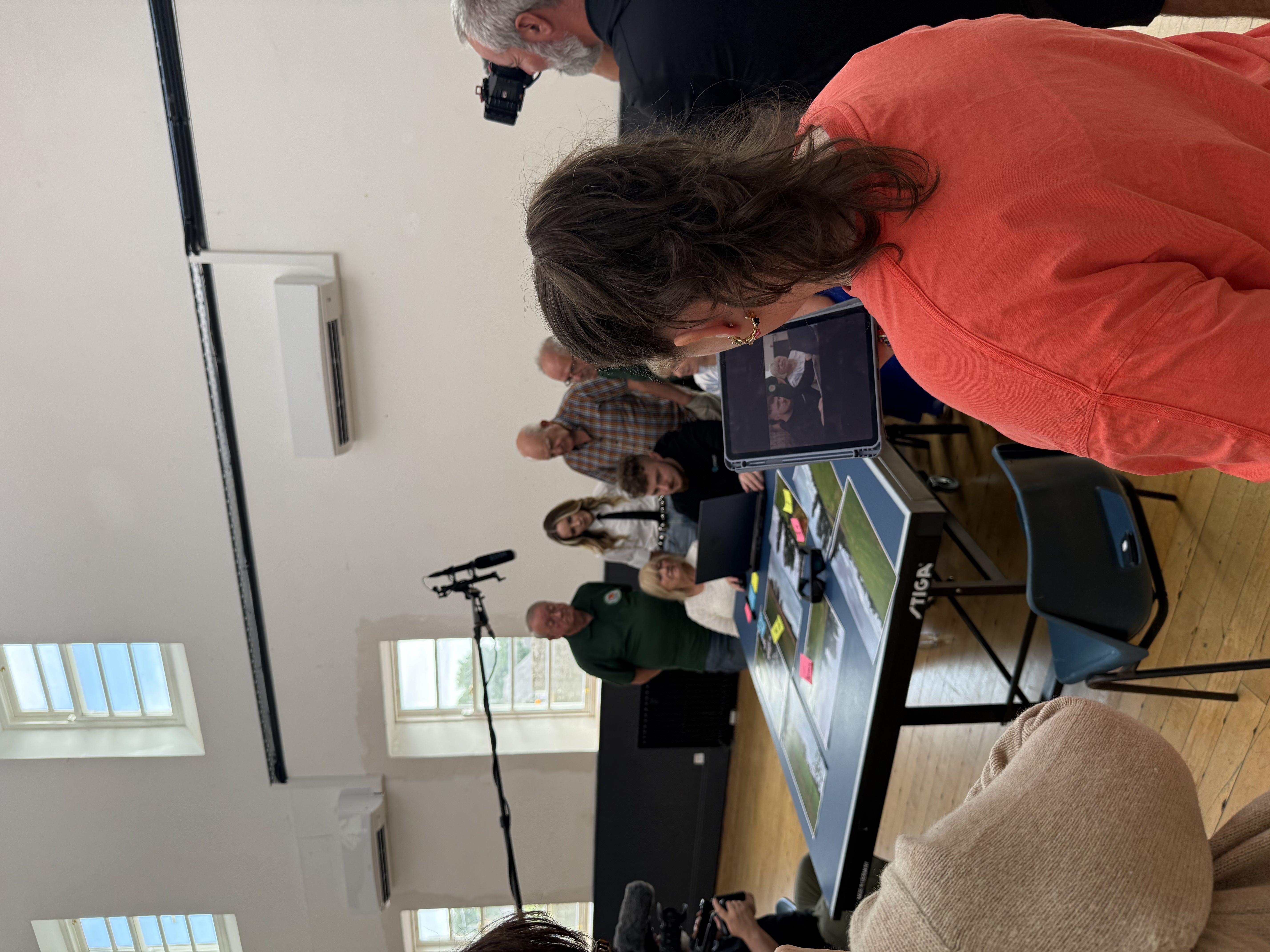
Describing a possible future space is one thing. Standing in the actual location and seeing a version of it through your phone, tablet or AR glasses brings a different dimension to the conversation.
Using augmented reality, we placed digital scenes into the view of Wansboro Field, allowing participants to see their ideas in the context of the existing surroundings.
Instead of relying entirely on a verbal description or asking everyone to form the same picture in their heads, we had a shared visual reference.
That creates opportunities for more specific discussion. Where should something sit? How does it relate to the rest of the space? Does the arrangement reflect what the group had in mind?
You do not need experience reading plans or using design software to have an opinion about a space you can see in front of you.
Why Lureo suited the workshop
A community workshop needs to leave room for ideas to develop. People build on each other’s suggestions, reconsider details and discover new possibilities as the conversation unfolds.
Lureo’s ability to support rapid iteration was particularly useful here. We could develop and adjust the scenes as ideas took shape, keeping the visualisation close to the discussion.
Our integrations with third-party asset stores helped us find suitable 3D assets quickly. Having existing models available gave us a practical way to represent ideas without creating every object from scratch.
For the location itself, we used Lureo’s Place on Map feature. This let us position the scenes outdoors without needing to scan the site beforehand, making it a useful fit for exploring ideas across a large public space.
It also allowed participants on multiple devices to view the proposed layouts in the same location. The same scenes could be experienced on phones, tablets and Snap Spectacles AR glasses, giving people different ways to engage with what we were creating.
Together, those capabilities helped us move from conversation to a shared experience within the workshop.
One particularly imaginative suggestion from the older group was a pedestrian tunnel beneath the River Shannon. Using Lureo’s masking feature, we created the illusion of a walkway entrance descending below ground, much like the entrance to a subway. Viewed in AR, the entrance appeared to lead down into the landscape, giving the group a convincing glimpse of their idea in place.
It was a striking example of what this approach makes possible: even an ambitious proposal could become something people could stand beside, look into and discuss together.
Keeping people close to their ideas
Visualisations can be valuable in community discussions, but there can be a gap between a group describing what it wants and seeing a designer’s interpretation later.
When producing and revising CGI mockups involves separate stages and handovers, exploring alternatives can take time. It can also be harder to identify where an interpretation has drifted from the original intention.
For us, the day demonstrated the value of shortening that feedback loop. Participants could see a representation of their ideas while the conversation was still active, with opportunities to respond and refine.
We also saw how quickly people across different ages and backgrounds understood the experience. Some were unfamiliar with augmented reality or unsure what to expect. A short demonstration made the concept much clearer than the terminology alone.
That is a lesson we continue to take into our work: start by showing people what they can do.
Our day in Athlone showed how Lureo can support community-led conversations about public space, making ideas easier to share, explore and develop together.
We’re looking forward to seeing the day on screen in Futureville Ireland. For our team, it was a memorable opportunity to put Lureo to work helping people picture a future they had a hand in shaping.