

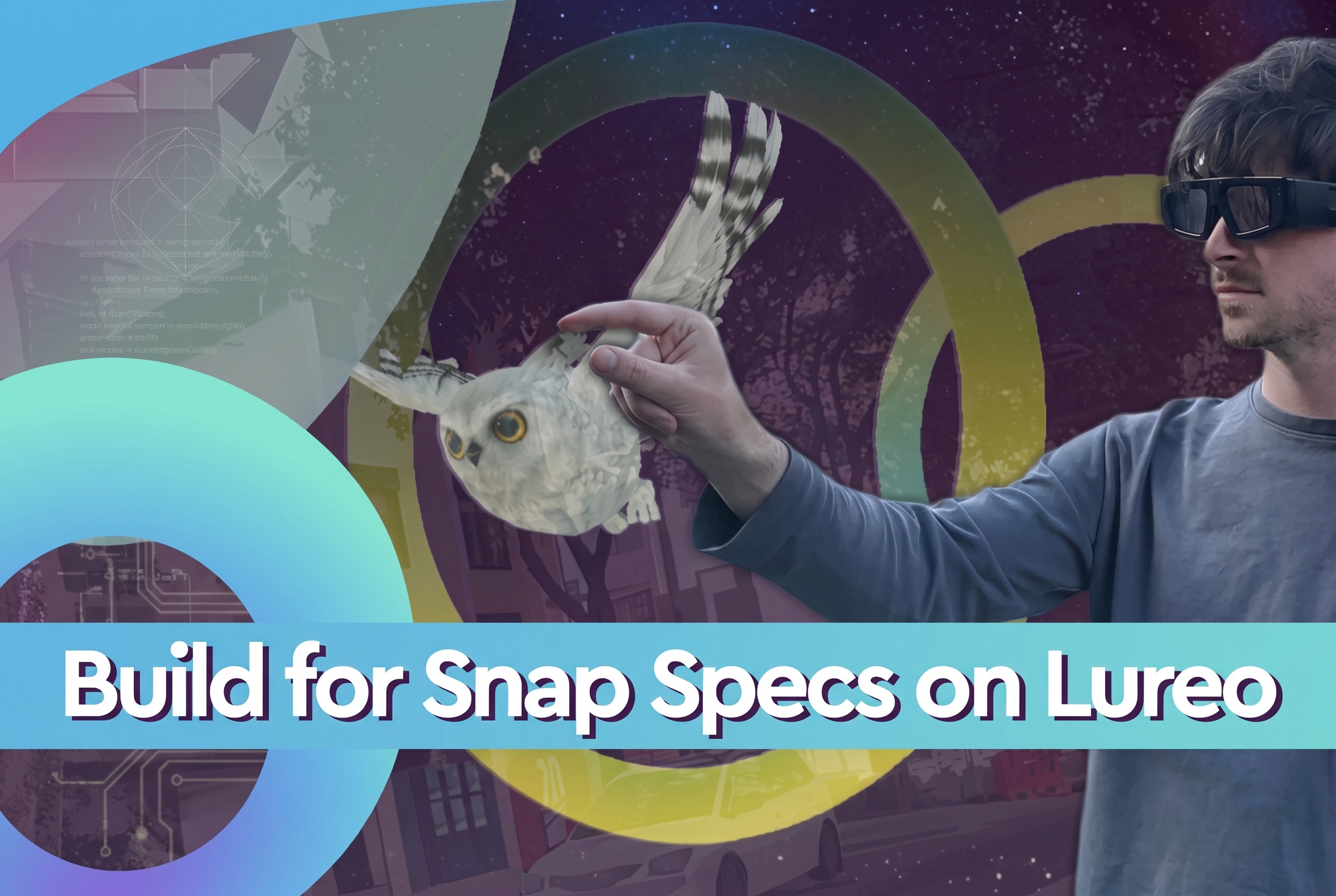
For the last few months, we've been building our most exciting feature yet: you can now create a no-code AR story on Lureo and publish it directly to Snap Spectacles.
We're calling it Build for Specs, and it's opening to a first wave of creators this week.
Why now
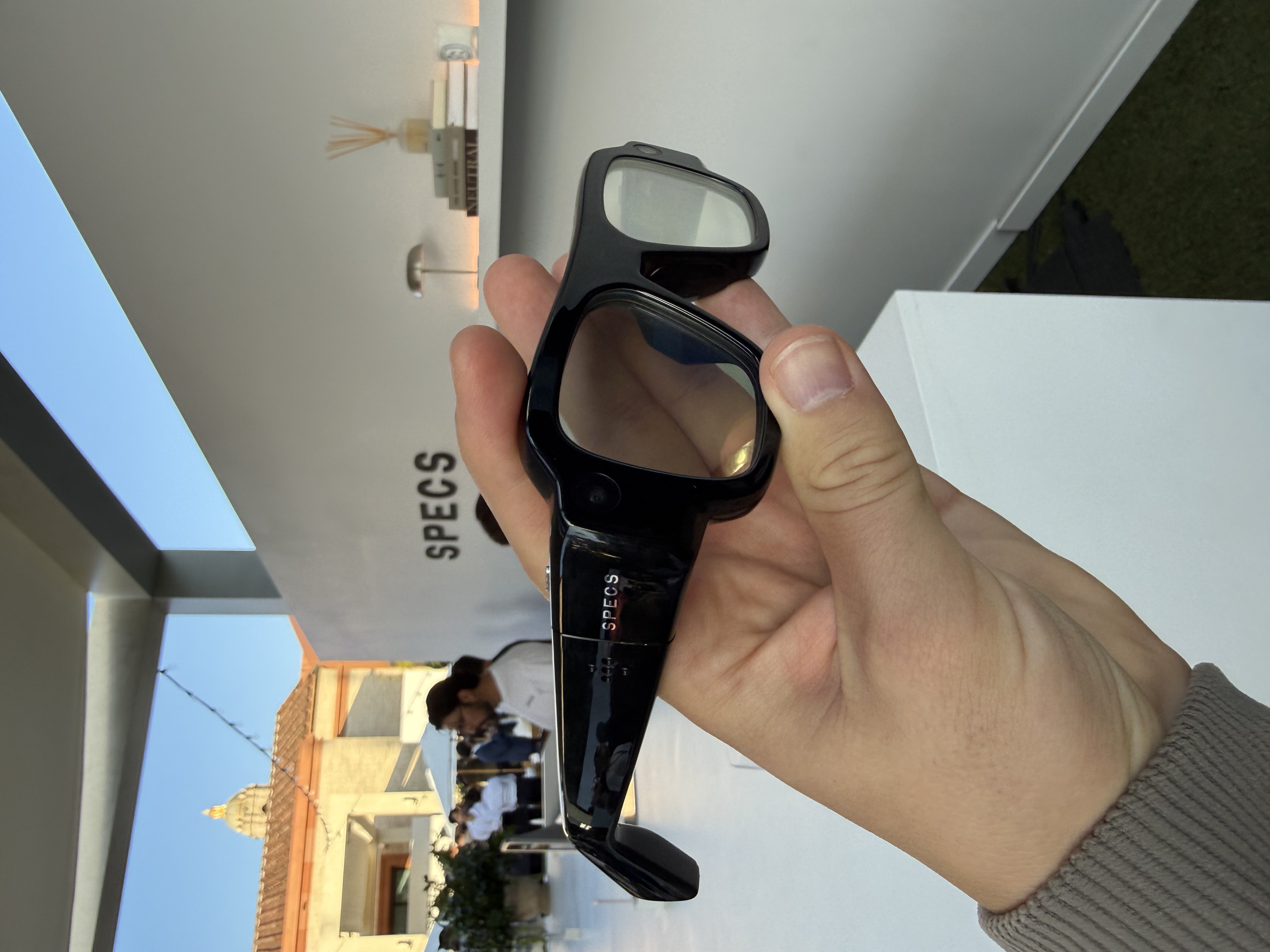
Our team was at AWE this summer when Snap CEO Evan Spiegel revealed the new generation of Spectacles, and again at Snap's public event in LA on September 16th, where attendees got their hands on the hardware. The reaction across the AR and creator community has been loud, and for good reason.
What matters to us about this new generation is simple: longer battery life, a lighter design, and a wider field of view. Combined, that makes Spectacles one of the best canvases yet for location-based, spatial storytelling. But it raised a bigger question for us: how do non-technical creators actually build for them?
What is Lureo, if you're new here
Lureo is a no-code platform that lets anyone build spatial, location-based AR stories with zero code. Our creators build everything from brand activations to AR art galleries to multi-stop historical trails. You create your story once, then publish it instantly to web, the Lureo app, and now, starting with Snap Spectacles, to glasses too.
We're built by the team behind Imvizar, who've spent 5+ years and 170+ experiences creating immersive work for organisations like Salesforce, Google, Bupa, Dell and the NFL. We're now putting those same tools directly into the hands of creators, no code or AR development experience required.
Why no-code matters here
Historically, building for AR glasses has meant writing complex code in engines like Unity or Unreal. That technical gap has kept a lot of genuinely creative people out of AR entirely. We don't think the ability to code should decide who gets to shape the future of spatial storytelling. If you're a creator, a marketer, or an agency with a great idea, you should be able to build it.
Think about an internal comms team delivering an employee engagement campaign through immersive AR instead of a static slide deck. Or a creative agency finally able to build the immersive client work they've been sketching on paper for years, in minutes, instead of outsourcing it to a dev team for weeks.
The bigger shift
This isn't just about a new pair of glasses. For years, technology has trained us to stare down at screens in our hands. AR glasses flip that. They let people look up, stay engaged with their surroundings, and still connect with digital content, without tuning out the real world.
For brands and creators, that changes what's possible. You're no longer fighting for a few seconds of screen time; you're creating experiences that live in the real world, in real places. Glasses are shaping up to be the next computing platform, and we think the tools to build for it shouldn't be locked behind a technical skill set.
What people are already building
Brand teams are running full AR experiences through real cities and landmarks. Others are building interactive games or stories that unfold around you as you move. Schools and universities are using Lureo to introduce new ways of teaching and to upskill students, all without needing a developer or a production budget.
Get early access
Here's the part that matters most: you don't need to own a pair of Spectacles to start. Lureo is free for all creators today, so you can start building right now on web or mobile.
We're opening early access to Build for Specs to a select group of creators first. If you want to be one of the first to publish your work to Snap Spectacles, register your interest below, and we'll be in touch as access opens up.
Register your interest here.
Build once. Publish to web, app, and now Spectacles. No code.